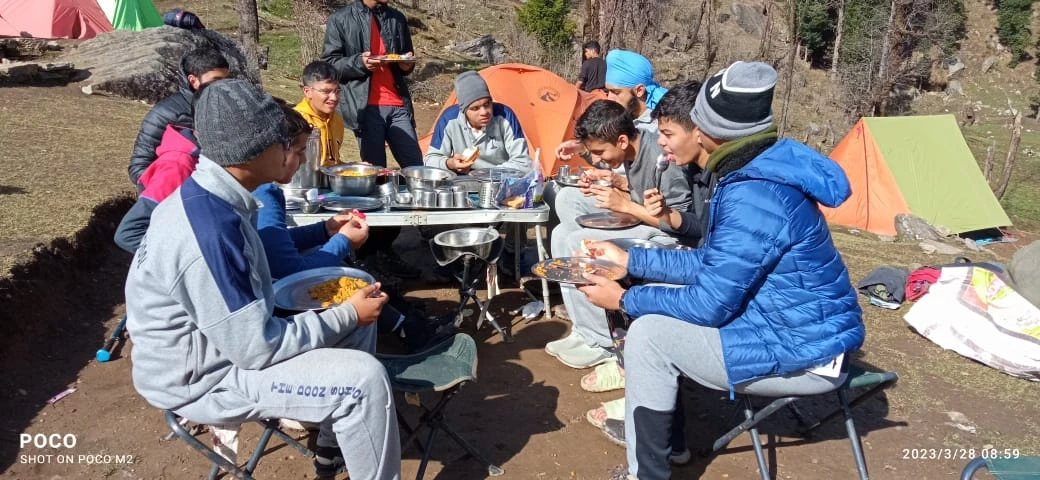
Govind Wildlife Sanctuary, Uttarakhand
Kedarkantha Trek
One of India’s most loved winter treks, Kedarkantha offers snow-covered trails, dense pine forests, frozen lakes, scenic campsites, and breathtaking summit views — a complete Himalayan experience in a short duration.
Kedarkantha Trek Overview
The Kedarkantha Trek is one of the most popular winter treks in India, located in the Govind Wildlife Sanctuary of Uttarakhand. Known for its snow-covered trails, dense pine forests, frozen lakes, and breathtaking summit views, this trek offers a complete Himalayan experience within a short duration. Starting from the quaint village of Sankri, the journey gradually unfolds into a landscape filled with alpine beauty, cultural charm, and raw mountain wilderness.
What makes Kedarkantha truly special is its accessibility throughout the winter season when most treks remain closed. The trail passes through enchanting forests, open meadows, and scenic campsites like Juda Ka Talab and Kedarkantha Base Camp. The summit climb is both challenging and rewarding, offering unparalleled views of peaks like Swargarohini, Bandarpoonch, and Black Peak. Whether you're a beginner or an experienced trekker, Kedarkantha promises an unforgettable adventure.
Upcoming Departures
Check available fixed departures for Kedarkantha Trek and plan your trek accordingly.
Trip Highlights
Beginner Friendly Trek
Ideal for first-time trekkers with basic fitness.
Winter Wonderland Experience
Experience snowfall and frozen landscapes.
Juda Ka Talab Lake
A serene frozen lake surrounded by pine forests.
Summit Sunrise View
Witness magical sunrise from Kedarkantha peak.
Cultural Village Stay
Experience local life in Sankri village.
Short Yet Rewarding
Perfect trek with maximum scenic variety in few days.
Kedarkantha Trek Highlights Video
Use your own YouTube link below. Current embed is sample format only.
Detailed Itinerary
Day 1
Dehradun to Sankri
Scenic mountain drive / Tons river route / base village arrival
Dehradun to Sankri
Scenic mountain drive / Tons river route / base village arrival
The journey begins from Dehradun, where trekkers assemble early in the morning. A long yet scenic drive of approximately 8–10 hours takes you through Mussoorie, Purola, and Mori before reaching Sankri, a small Himalayan village that serves as the base camp for the trek.
As you drive deeper into the mountains, the landscape gradually changes from urban surroundings to lush green valleys and river streams. The Tons River accompanies you for a major part of the journey, enhancing the scenic experience. Upon arrival in Sankri, you can witness stunning views of the snow-capped peaks and traditional wooden houses.
In the evening, there will be a briefing session conducted by the trek leader where you will be introduced to the itinerary, safety guidelines, and gear requirements. This is also a good time to interact with fellow trekkers and prepare mentally for the adventure ahead.
Day 2
Sankri to Juda Ka Talab
Forest trail / gradual ascent / alpine lake campsite
Sankri to Juda Ka Talab
Forest trail / gradual ascent / alpine lake campsite
The trek officially begins today as you start your hike from Sankri towards Juda Ka Talab. The trail initially passes through dense pine and oak forests, offering a refreshing and peaceful trekking experience.
As you ascend, the forest becomes thicker and the surroundings quieter, with occasional clearings that offer glimpses of distant snow-covered peaks. During winters, the trail is covered with snow, making it even more magical.
After trekking for around 4–5 hours, you will reach Juda Ka Talab, a beautiful high-altitude lake surrounded by tall pine trees. In winter, the lake freezes completely, creating a surreal landscape. The campsite here is scenic and serene, making it one of the most memorable stays of the trek.
Day 3
Juda Ka Talab to Kedarkantha Base Camp
Steady ascent / meadow opening / summit preparation day
Juda Ka Talab to Kedarkantha Base Camp
Steady ascent / meadow opening / summit preparation day
Today’s trek takes you further into the mountains as you move towards the Kedarkantha Base Camp. The trail gradually ascends through forests and opens into expansive meadows.
The views become more dramatic as you gain altitude. Snow-covered peaks start appearing closer, and the terrain becomes more alpine. The hike is relatively shorter but involves steady climbing.
Upon reaching the base camp, you will be greeted with breathtaking views of the Kedarkantha summit and surrounding ranges. The campsite is located in an open meadow, offering a wide-angle view of the Himalayan landscape. This is where you rest and prepare for the summit push the next day.
Day 4
Base Camp to Summit and Back to Sankri
Summit push / sunrise views / long descent day
Base Camp to Summit and Back to Sankri
Summit push / sunrise views / long descent day
This is the most challenging and rewarding day of the trek. You start early in the morning, often before sunrise, to reach the summit in time for the first light.
The trail is steep and requires careful navigation, especially in snow conditions. As you climb higher, the forest thins out and gives way to open ridgelines. The final stretch to the summit is a steep ascent, but the view from the top makes every step worthwhile.
At the summit, you will witness a breathtaking 360-degree view of Himalayan peaks such as Swargarohini, Bandarpoonch, Black Peak, and more. After spending some time at the top, you descend back to the base camp and then further down to Sankri.
The descent is long and can be tiring, but it also allows you to relive the journey with a different perspective.
Day 5
Sankri Exploration and Rest
Recovery day / village walk / cultural interaction
Sankri Exploration and Rest
Recovery day / village walk / cultural interaction
This day is reserved for rest and local exploration in Sankri. After the physically demanding summit day, it’s important to allow your body to recover.
You can explore the village, interact with locals, and learn about the culture and lifestyle of the region. Sankri also offers beautiful sunset views and a peaceful environment to unwind.
Day 6
Sankri to Dehradun
Return drive / scenic exit / journey concludes
Sankri to Dehradun
Return drive / scenic exit / journey concludes
The trek concludes with a return journey from Sankri to Dehradun. After breakfast, you start your drive back, retracing the scenic route.
The journey offers one last opportunity to soak in the beauty of the mountains and reflect on the incredible experience of the Kedarkantha Trek.
How To Reach Kedarkantha Trek
From Sankri
Sankri is the base village for the Kedarkantha Trek and serves as the starting point of the journey. Trekkers usually reach Sankri a day before the trek begins to acclimatize, rest, and attend a briefing session. The village offers basic guesthouses and homestays along with scenic views of the surrounding Himalayan landscape.
- Sankri is accessible by road from Dehradun
- Guesthouses and homestays are available for overnight stay
- Arrive early for rest and trek preparation
From Dehradun
Dehradun is the main gateway for reaching Sankri. From here, trekkers travel by road via Mussoorie, Purola, and Mori before reaching the base village. Most trek operators arrange shared or private transport from a designated pickup point in Dehradun for a smooth and organized journey.
- Drive duration is around 9–11 hours depending on road conditions
- Early morning departure is recommended
- Route offers scenic river valleys and mountain views
Kedarkantha / Sankri Map
You can keep this map section below How To Reach for easier travel planning.
Inclusions & Exclusions
Inclusions
Exclusions
Do’s & Don’ts
Following basic trek guidelines ensures safety, smooth coordination, and a better experience for everyone on the trail.
Do’s
- Maintain physical fitness before the trek
- Carry proper trekking gear
- Stay hydrated throughout the trek
- Follow trek leader instructions
- Respect local culture and traditions
- Keep surroundings clean
- Walk at a steady pace
- Inform guides about any health issues
Don’ts
- Do not litter on the trail
- Avoid alcohol and smoking
- Do not ignore altitude sickness symptoms
- Avoid overpacking unnecessary items
- Do not wander away from the group
- Avoid loud noise in camps
- Do not damage flora or fauna
- Avoid risky shortcuts
How To Prepare
Proper preparation is the difference between just completing a trek and truly enjoying it. Focus on fitness, understanding altitude, and learning how to walk efficiently in the mountains.
Build Stamina Before the Trek
Your body should be ready for continuous walking for multiple hours daily. Cardio training like brisk walking, jogging, cycling, or stair climbing helps prepare your lungs and legs.
Start at least 2–3 weeks before your trek. Focus on consistency rather than intensity. A simple routine like 30–45 minutes of activity daily can significantly improve endurance.
If your trek involves altitude or longer distances, gradually increase your capacity. Aim to comfortably walk 5–6 km without fatigue.
Strength & Stability Matter
Trekking is not just about stamina — your muscles need to support your body weight on uneven terrain.
Focus on legs (quads, calves), core, and lower back. Exercises like squats, lunges, and planks help build stability.
Stretching is equally important. Tight muscles can lead to fatigue, cramps, and injuries during descents.
Train With Light Load
Walking with a backpack prepares your body for actual trekking conditions.
Start carrying a light backpack during your walks. This helps your shoulders and back adjust to load-bearing.
It also improves posture and balance, which are critical for mountain trails.
Understand Altitude Impact
As you gain altitude, oxygen levels decrease, which can affect your body.
This can lead to symptoms like headache, dizziness, nausea, and fatigue. These are signs of Acute Mountain Sickness (AMS).
It is common and manageable if handled properly, but ignoring it can become serious.
Hydration & Acclimatization
Staying hydrated is one of the simplest ways to reduce AMS risk.
Drink water regularly, even if you are not thirsty. Avoid alcohol and smoking before and during the trek.
Give your body time to adapt. Follow the trek itinerary properly and avoid rushing.
Recognize Early Symptoms
Listening to your body is very important in the mountains.
If you experience headache, nausea, or breathlessness, inform your trek leader immediately.
Early action like rest, hydration, or descent can prevent serious complications.
Maintain a Steady Pace
Trekking is not about speed — it’s about consistency.
Walk slowly and steadily. Avoid sudden bursts of speed, especially on climbs.
A constant pace helps conserve energy and prevents exhaustion.
Use the Right Technique
Small steps and balanced posture are key in mountain walking.
Lean slightly forward during climbs and keep your weight centered. Use zig-zag paths instead of straight steep climbs when possible.
During descents, bend your knees slightly to reduce impact on joints.
Take Smart Breaks
Breaks are important, but timing matters.
Take short, regular breaks instead of long stops. Long breaks can make your body stiff and reduce momentum.
Keep sipping water and maintain rhythm to stay energized.
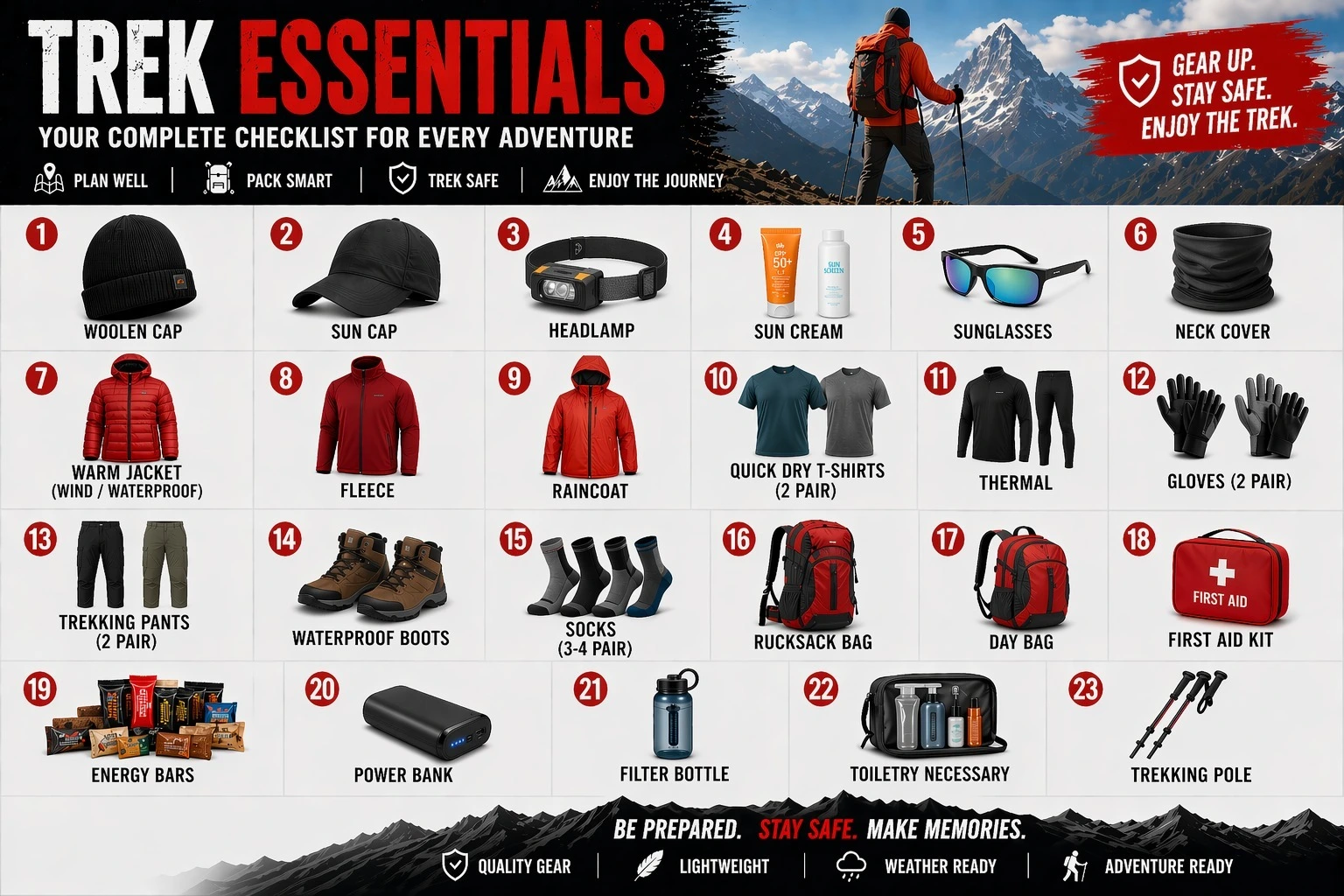
Things To Carry
Clothing
Thermal layers, fleece, down jacket, trekking pants, gloves, woolen cap, extra socks.
Footwear
Good trekking shoes with grip, plus floaters or slippers for campsite use.
Essentials
Backpack, water bottle, sunglasses, sunscreen, torch, personal medicines, power bank.
Personal Care
Toiletries, lip balm, moisturizer, tissues, wet wipes, and basic hygiene items.
Trek Gallery
Frequently Asked Questions
Is Kedarkantha Trek suitable for beginners?
Yes, Kedarkantha is considered one of the best beginner-friendly treks in India. However, basic fitness is required to complete the trek comfortably.
What is the best time to do Kedarkantha Trek?
The best time is from December to April for snow trekking, and October to November for clear views and pleasant weather.
How difficult is the summit climb?
The summit climb is steep and challenging, especially in snow, but manageable with proper guidance and determination.
Will there be snowfall during the trek?
Yes, if you trek during winter months, snowfall is highly likely.
What kind of accommodation is provided?
Accommodation includes tents during the trek and homestay/guesthouse in Sankri.
Is altitude sickness common?
Mild symptoms can occur, but proper acclimatization and hydration help prevent serious issues.
What should I pack for the trek?
Warm clothes, trekking shoes, gloves, thermals, backpack, water bottles, and personal essentials.
Are there network facilities available?
Network is limited and mostly available only in Sankri.
Is it safe to trek solo?
Yes, but it is recommended to join an organized group for safety and better experience.
How fit should I be for this trek?
You should be able to walk 4–5 km comfortably and have good stamina to handle long trekking hours.
Booking & Cancellation Policy
Booking Terms
Booking is confirmed only after the required payment is received. Trek slots remain subject to availability until payment confirmation. Participant names, age details, pickup preferences, and other required information should be shared correctly at the time of booking.
| Category | Details |
|---|---|
| Booking Confirmation | Confirmed only after required advance/payment is received. |
| Seat / Slot Status | Subject to availability until final booking confirmation. |
| Guest Details | Name, age, contact, and any required trip info should be shared correctly. |
| Transport / Pickup | Applicable only if included in selected package or transfer add-on. |
Cancellation Terms
Cancellation charges may apply depending on the date of cancellation and the arrangements already blocked. Last-minute cancellations, no-shows, and unused services are generally non-refundable.
| Cancellation Window | Indicative Policy |
|---|---|
| 30+ days before departure | Low cancellation charge or transferable credit as per operator policy. |
| 15–29 days before departure | Partial cancellation charge may apply. |
| 7–14 days before departure | Higher cancellation charge likely due to blocked arrangements. |
| 0–6 days / No-show | Usually non-refundable. |
Weather & Operational Changes
Treks in the Himalayas are subject to weather, trail conditions, and local administrative regulations. The operator reserves the right to modify timings, route flow, campsite usage, trek pacing, or support logistics in the interest of safety and successful trip execution.
| Factor | Operational Impact |
|---|---|
| Weather Changes | Departure timing, campsite plan, or route order may change. |
| Road Block / Snow | Travel timing may be delayed or rescheduled based on conditions. |
| Administrative Rules | Permissions or movement plans may change as per local instructions. |
| Safety Decision | Final call remains with trek leader and operating team. |
Health & Safety
Every participant should disclose any relevant medical condition before departure. The trek team may refuse participation if conditions are considered unsafe for the guest or group. Personal responsibility, hydration, pace discipline, and following guide instructions are essential during mountain travel.
| Safety Point | Guideline |
|---|---|
| Medical Disclosure | Relevant conditions should be informed in advance. |
| Fitness Readiness | Participants should arrive with basic trek fitness and stamina. |
| Gear Responsibility | Warm clothing, shoes, and essentials should be carried properly. |
| Trek Discipline | Follow guide, stay with group, and avoid risky individual movement. |